Fleet Safety Training
For transportation and logistics companies training fleet drivers on vehicle inspections, safe driving practices, regulatory compliance, and accident prevention.
 Rendora Studio |
 2026-10-09 09:55:18
Video Script
Good morning, team. Before we head out, let’s take a few minutes to review the daily habits that help keep every Northline Freight route safer: vehicle checks, safe following distance, and a clear response to brake warnings.
Start by reviewing the previous vehicle inspection report and confirming any safety-related defect has been repaired or formally cleared. Then use the checklist to inspect the service and parking brakes, steering, lights and reflectors, tires and wheels, horn, wipers, mirrors, coupling devices, and emergency equipment; for example, a damaged tire or a brake defect must be recorded and reported, and the vehicle stays out of service until it is cleared for operation.
On the road, scan about 15 seconds ahead and check your mirrors every 8 to 10 seconds, as well as before a turn, merge, or lane change. Here’s a practical way to judge following distance: F-M-C-S-A’s rule of thumb gives a 60-foot truck combination at least six seconds below 40 miles per hour, plus one more second above 40; in adverse conditions, double that gap. So at 45 miles per hour in rain, the example becomes 14 seconds, giving you more room to react and stop.
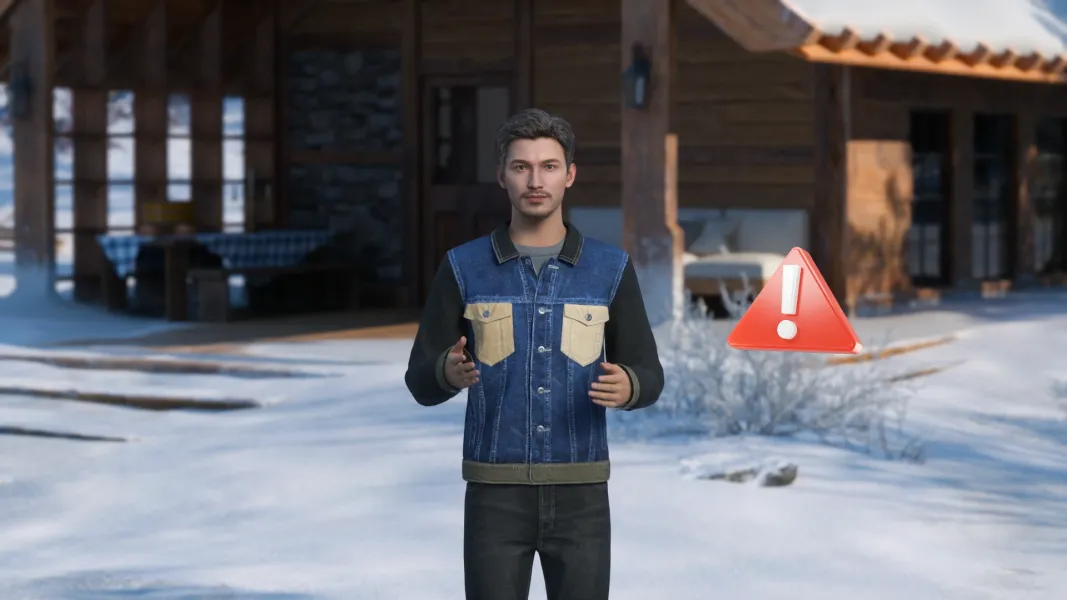
Suppose a red brake warning stays on after you’ve confirmed the parking brake is released. Don’t continue the route to “see if it clears”: ease off the accelerator, signal, and stop somewhere safe, then contact dispatch and report the truck number, your exact location, the warning, and any immediate hazards. Continue only after the issue has been assessed and the vehicle has been cleared under company procedure.
Check your vehicle, keep a safe distance, and report issues early. Stay safe on the road, team, and I’ll see you back at the terminal.
More





Start your 3D AI Avatar Video Generation Right Now